
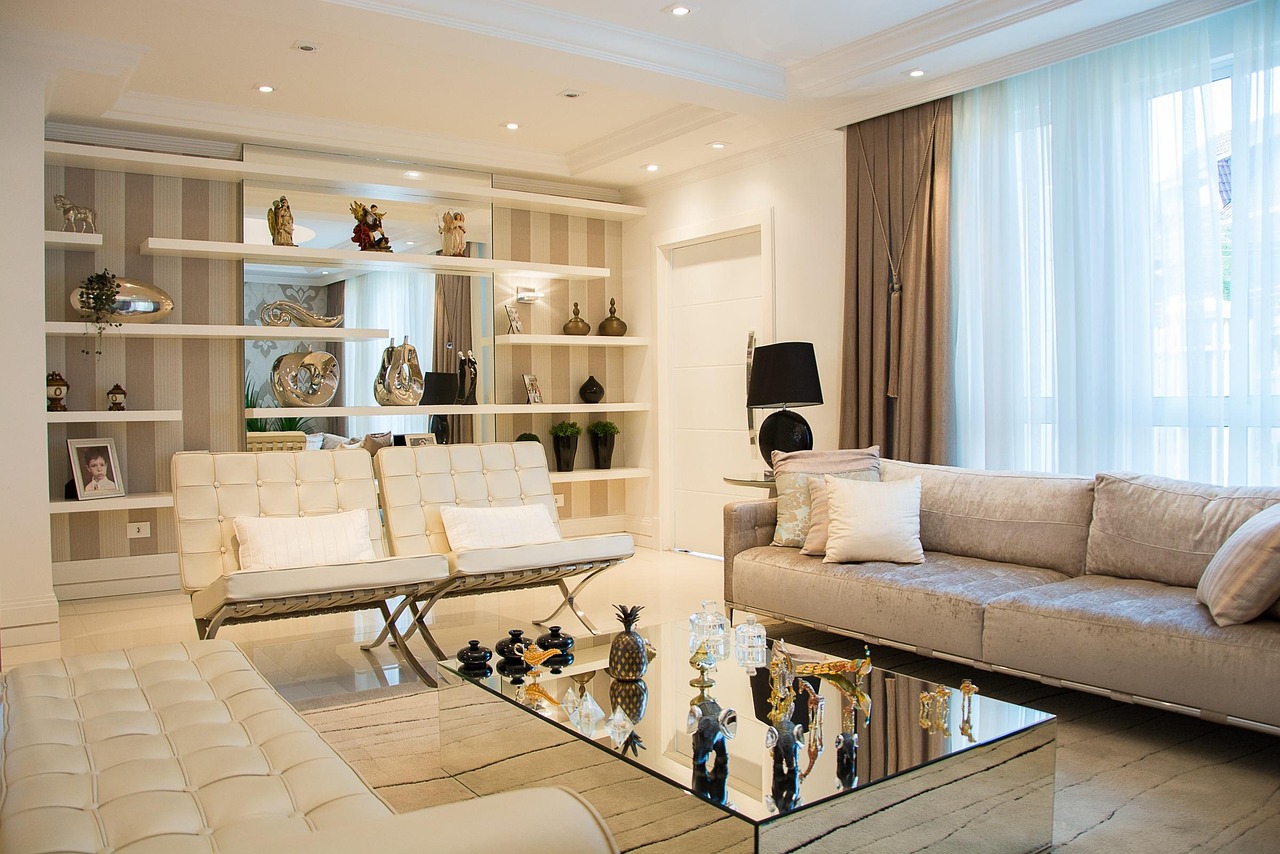
Designing a Pune Rental Flat for Better Rent and Lower Maintenance
Design & Materials · Pune · 8 min read
Designing a rental flat is different from designing a home for yourself. A homeowner may choose glossy finishes, elaborate false ceilings or highly personalised furniture because those details match their own taste. A rental property has a different purpose. It needs to attract tenants, remain durable through multiple tenancies and keep maintenance costs predictable.
In Pune's IT corridors, where tenants often compare several apartments before making a decision, practical features can have a greater impact than expensive decorative work. A tenant is likely to consider whether the kitchen is usable, whether there is enough wardrobe storage, whether the flat is bright, whether the bathrooms look clean and whether AC installation will be straightforward.
For owners planning a practical rental flat interior design Pune project, the objective should be simple: create a property that is easy to rent, comfortable to live in and inexpensive to refresh between tenants.
For professional residential interior planning, explore Gruham Buildsol interior design solutions.
The Rental Flat Is a Different Product
A flat that you live in and a flat that you rent out have different requirements. When you live in your own home, personal taste is an important part of the design brief. In a rental property, the design needs to appeal to a wider range of tenants.
Think about the typical viewing experience. A prospective tenant may shortlist the apartment from photographs and spend only fifteen minutes inside it. During that visit, they are usually assessing practical questions:
- Can I cook comfortably here?
- Where will I keep my clothes?
- Does the apartment feel bright?
- Are the bathrooms clean and functional?
- Can I install or operate an AC easily?
- Will I need to spend additional money after moving in?
These questions should influence where the interior budget goes.
What Actually Adds Value to a Pune Rental Flat?
Not every interior feature has the same effect on a rental property. Some improvements directly address tenant requirements, while others mainly add visual appeal.
The following areas deserve particular attention when planning a rental apartment.
1. A Complete and Usable Kitchen
The kitchen is one of the most important parts of a rental flat. A bare platform and sink can leave the tenant with immediate additional expenses before the apartment becomes genuinely usable.
A practical rental kitchen can include base cabinets, a useful counter run, a sink, appropriate storage, chimney and hob provisions, and sufficient electrical points.
When planning modular kitchen design Pune, focus on easy-to-clean surfaces, sensible storage and durable hardware rather than highly customised decorative details.
For broader home interior planning and kitchen solutions, visit Gruham Buildsol.
2. Wardrobes in Every Bedroom
Wardrobe storage is another practical requirement that can influence how a tenant perceives a property. Even a smaller bedroom can feel incomplete when there is no dedicated storage.
Tenants generally move with clothes, luggage and personal belongings. If the flat does not provide storage, they may need to purchase additional furniture, which can reduce the property's appeal.
Full-height wardrobes with plain shutters and sensible internal divisions can be more appropriate than expensive decorative wardrobe designs.
For a rental property wardrobe design, prioritise hanging space, shelves, drawers and durable hardware. Avoid unnecessarily complicated mechanisms that can increase future maintenance.
3. Lighting That Makes the Flat Feel Bright
Lighting has a relatively low cost compared with many carpentry and decorative upgrades, but it can strongly influence photographs and property viewings.
An under-lit apartment can appear smaller and less welcoming. A practical rental lighting plan should provide adequate illumination in every room, useful light over the kitchen counter and proper lighting around the bathroom mirror.
Warm ambient lighting can create a comfortable atmosphere without requiring elaborate decorative fixtures.
Provide AC Provisions During the Fit-Out
Even if the owner does not provide air-conditioning units, AC provisions should ideally be considered during the interior work.
Depending on the apartment and building requirements, this may include planning for dedicated electrical points, appropriate drainage, installation access and suitable backing or support.
Doing this work while the walls are already being finished can be easier than drilling and modifying the apartment after a tenant moves in.
For practical rental home interior design and planning, you can explore Gruham Buildsol's residential interiors.
Bathrooms: Cleanliness Beats Decoration
A rental bathroom does not need expensive finishes to create a good impression. It needs to look clean, dry and properly maintained.
Before handing over the apartment, pay attention to:
- Fresh and clean grout
- Properly sealed silicone joints
- Working exhaust ventilation
- A functional mirror
- Good-quality taps and fittings
- Proper drainage
- A dry bathroom floor where practical
A plain bathroom that looks fresh can be more practical for rental use than an expensive bathroom that is difficult to maintain.
Where to Spend and Where to Save
Rental interiors work best when the budget is directed toward features tenants use every day.
| Element | Rental Planning Approach | Reason |
|---|---|---|
| Lighting | Prioritise adequate, warm lighting | Improves photographs and viewing experience |
| Modular kitchen | Prioritise complete functionality | Kitchen is difficult for tenants to complete themselves |
| Wardrobes | Provide in every bedroom where possible | Storage is a basic requirement |
| Decorative walls | Keep simple | Reduces repainting and personalisation issues |
| Complex false ceilings | Use selectively | Can increase cost and maintenance |
| Premium decorative finishes | Use only where they serve a purpose | Higher cost does not always translate into rental value |
Design for Repainting Between Tenancies
A rental flat should be designed with its next repaint in mind. Walls may need patching, touch-ups or complete repainting after a tenancy.
Choose finishes that can be easily reordered or repaired. Standard laminate colours, practical wall finishes and easily available hardware can make future maintenance simpler.
The same principle applies to carpentry. A stock laminate that can be replaced or matched later may be more practical than a highly specialised finish that becomes difficult to source.
Choose Durable Materials for Wet Areas
Wet areas deserve particular attention because moisture-related failures can create repeated maintenance problems.
Material selection should consider exposure to moisture, hardware quality, edge protection and the actual use of the space. For areas where moisture resistance is important, material comparisons such as plywood versus HDHMR should be evaluated based on the application rather than choosing purely on price.
Hardware is another area where small savings can become expensive later. Hinges, drawer channels and other frequently used fittings experience repeated use throughout multiple tenancies.
Protect the High-Impact Areas
Rental properties experience frequent movement of furniture, suitcases and household items. Corners, skirting, door frames and wardrobe edges can receive considerable wear during move-ins and move-outs.
Planning these areas for durability can reduce the amount of repair work required between tenants.
Do You Need a False Ceiling?
A false ceiling can improve the visual appearance of a rental apartment and provide opportunities for integrated lighting. However, it should be evaluated against its installation and maintenance cost.
In a rental property, a simple ceiling with well-planned lighting may be sufficient. If a false ceiling is used, keep the design straightforward and make sure future access to electrical components is practical.
For false ceiling design for rental apartments, consider the room height, lighting requirements, maintenance access and overall budget before finalising the design.
Unfurnished, Semi-Furnished or Fully Furnished?
Owners should decide the rental category before beginning the interior design. The terms are often used loosely, which can create confusion during property handover.
Unfurnished
An unfurnished apartment generally focuses on fixed provisions such as the kitchen platform and sink, electrical and plumbing points, fans and lights. It can suit tenants who already own their furniture.
Semi-Furnished
Semi-furnished apartments are common around Pune's major employment and IT corridors. Depending on the owner's offering, this can include a modular kitchen, bedroom wardrobes, fans, lights and curtain rods.
The exact inclusions should be documented clearly so that the tenant knows what is provided at handover.
Fully Furnished
A fully furnished apartment requires considerably more planning because the owner is responsible for additional furniture, appliances and movable items. This can increase both the initial investment and future maintenance responsibility.
The right configuration depends on the target tenant profile, apartment location, rental market and owner's maintenance strategy.
Think About the Tenant's Daily Routine
The strongest rental interiors are usually based on everyday usability rather than decoration.
In a Pune apartment, consider where a tenant will keep shoes, luggage, clothes, kitchen equipment, cleaning supplies and everyday belongings. A few well-planned storage areas can make the apartment feel substantially more functional.
Similarly, adequate electrical points near the TV area, beds, kitchen appliances and work-from-home desk can prevent tenants from relying heavily on extension boards.
Keep the Design Neutral
Rental apartments need to appeal to different people. Highly personalised colours or themed interiors can narrow the property's appeal.
Neutral base colours, simple furniture profiles and practical finishes allow tenants to add their own personality through curtains, furniture, artwork and accessories.
This does not mean the apartment needs to look plain. Good proportions, consistent finishes, useful storage and appropriate lighting can create a polished appearance without excessive decoration.
Calculate Maintenance Alongside Initial Cost
The cheapest quotation is not necessarily the lowest-cost rental solution over several years. A component that fails repeatedly can cost more through service visits, replacement labour and tenant inconvenience.
When comparing materials and hardware, consider:
- Initial purchase cost
- Expected durability
- Ease of replacement
- Availability of spare parts
- Cleaning requirements
- Maintenance labour
- Impact on tenant experience
This approach helps owners evaluate the total lifecycle cost rather than only the initial interior quotation.
A Practical Rental Interior Checklist
- Complete and usable kitchen
- Wardrobe storage in bedrooms
- Adequate lighting in every room
- Proper AC provisions
- Clean and functional bathrooms
- Durable hardware
- Easy-to-maintain wall finishes
- Protected corners and door frames
- Clearly defined furnishing category
- Neutral and adaptable interiors
- Accessible electrical points
- Simple and maintainable decorative work
Conclusion
A successful rental flat is not necessarily the one with the most expensive interiors. It is the one that addresses the practical requirements tenants notice immediately while remaining durable and easy to maintain.
For Pune rental properties, especially apartments close to major employment corridors, the design brief can be built around three ideas: lettability, durability and predictable maintenance.
Invest in a complete kitchen, useful wardrobes, adequate lighting, AC provisions, clean bathrooms and durable materials. Keep decorative features controlled and choose finishes that can be repaired or replaced without creating a major coordination problem.
For owners considering