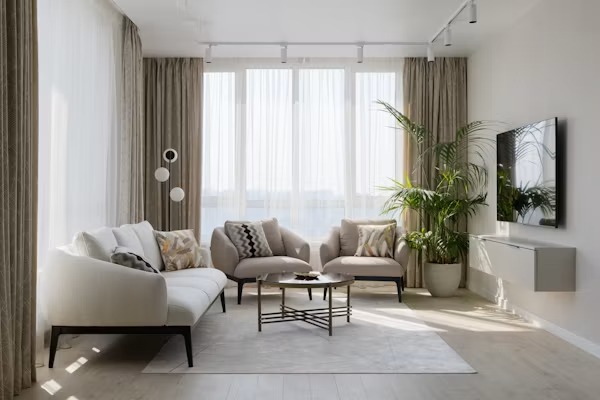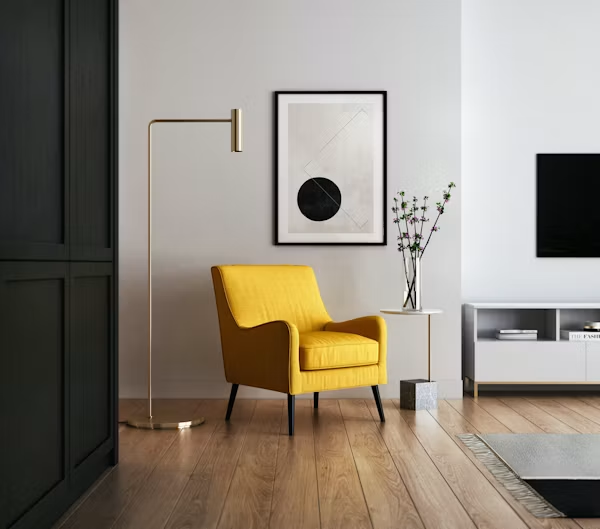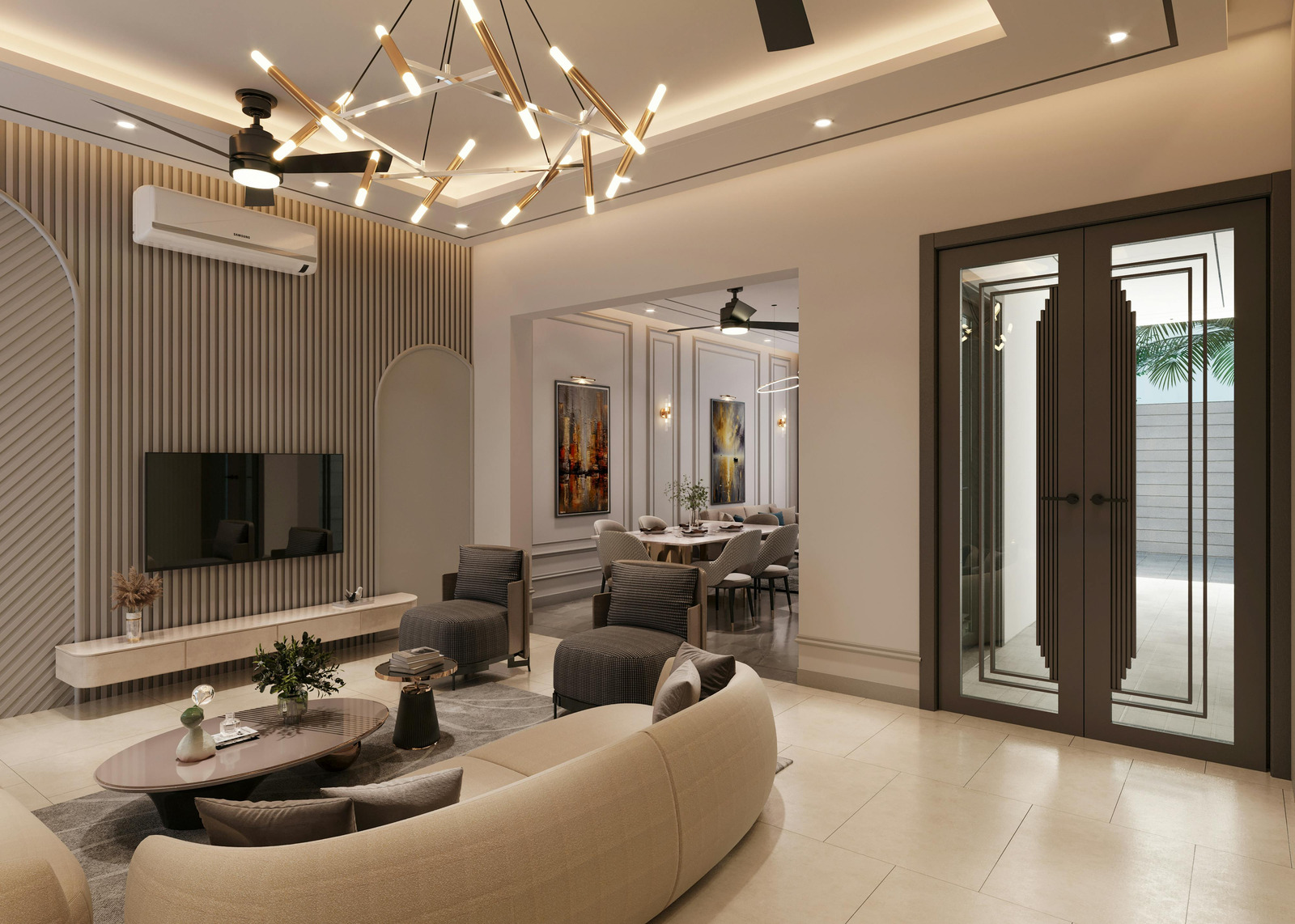

Hinjewadi is a working node. Phases 1 to 3 and the residential belt around Man, Marunji and Maan Road are populated almost entirely by people whose day is shaped by the IT parks, and by investors who let flats to them. Interiors here should be judged on how well they serve that reality, not on how they photograph.
The two Hinjewadi briefs
Owner-occupied. Usually a young family or a couple, both working, often hybrid. The home has to absorb early mornings, weeknight cooking, two people on calls, and very little time for maintenance.
Investor-let. Bought for rental yield to corporate tenants. The specification should optimise for durability, quick turnaround between tenants, and a fit-out that lets faster than the flat next door.
These need different material choices, and pricing them the same is a mistake.
What to build for an owner-occupied Hinjewadi flat
- A real work setup, not a corner. Two simultaneous video calls in a 700 sq ft flat is a design problem. The practical answer is a properly detailed bedroom desk with cabling and task light, plus one alcove elsewhere — rather than a single shared study that neither person can use during a meeting.
- A kitchen for weekday cooking. Efficient triangle, durable counter and backsplash, and good task lighting over the working surface. Islands look good and rarely fit here.
- Entry storage. Shoes, bags, helmets and deliveries. An 18-inch foyer unit stops all of it from spreading into the living room.
- Low-maintenance finishes. Wipeable surfaces at hand height, fabrics that do not hold dust, and no finish that needs seasonal attention. Nobody in this node has a free Saturday for upkeep.
- Blackout in the bedroom. Shift patterns and early starts make this more useful here than in most localities.
What to build for a rental flat
- Neutral laminate, not high gloss. Gloss shows every mark and looks tired after one tenancy.
- Good hardware above all. Hinges and drawer channels are what fail first, and a stuck drawer is what a tenant reports. Spend here and save on the shutter finish.
- 710-grade BWP ply in wet areas regardless of budget. A swollen sink cabinet in year two costs more than the saving.
- Full-height storage. A flat that stores well lets faster than one that looks better in photographs.
- Simple ceilings and durable paint, so a repaint between tenants is quick and cheap.
- Skip: wallpaper, delicate feature walls, and heavy built-ins that limit how a tenant uses the space.
Local conditions
- Traffic dictates logistics. The Hinjewadi corridor is congested for long stretches of the day. Material deliveries have to be scheduled around it, and a studio that ignores this loses days at a time.
- Ongoing construction and dust. Several phases are still building. Sheeting and dust control during finishing work protect the paint and polish you are paying for.
- Township work rules. Managed societies here enforce work hours, material entry timings and lift bookings strictly. Plan to them from day one.
- New-slab moisture. Recent handovers still hold construction moisture; wardrobes fixed flush to a fresh external wall are the standard second-year failure.
Hinjewadi interior cost bands, 2026
- Rental-ready 2 BHK (kitchen, wardrobes, painting, basic ceiling): ₹4.5 L to ₹7 L.
- Owner-occupied 2 BHK: ₹8 L to ₹14 L.
- Owner-occupied 3 BHK: ₹14 L to ₹24 L.
- Premium 3 BHK in a newer township phase: ₹24 L to ₹35 L.
Timelines matter as much as cost here
Owner-occupiers are usually moving from a rented flat on a notice period, and investors are losing rent every week the flat sits empty. Both cases argue for the same discipline: freeze the design and order material before site work begins, and work backwards from the date rather than forwards from the start.
For an itemised estimate and a dated schedule — whether the flat is for you or for letting — book a free design consultation. See delivered homes on our projects page, or read how our turnkey execution is sequenced from concept to handover.