
Owner-Occupied vs Rental Flat Interiors in Pune: How the Design Brief Changes
An interior designed for a family to live in for many years is not necessarily the right interior for a flat that will be rented out.
The difference is not simply about spending less.
It is about spending differently.
An owner-occupied home is designed around personal preferences, lifestyle and long-term comfort. A rental property needs to focus more strongly on durability, easy maintenance, broad appeal and predictable replacement costs.
Understanding this difference before starting the project can prevent unnecessary spending.
Start With the Property's Purpose
The first question should be: Who will use this home?
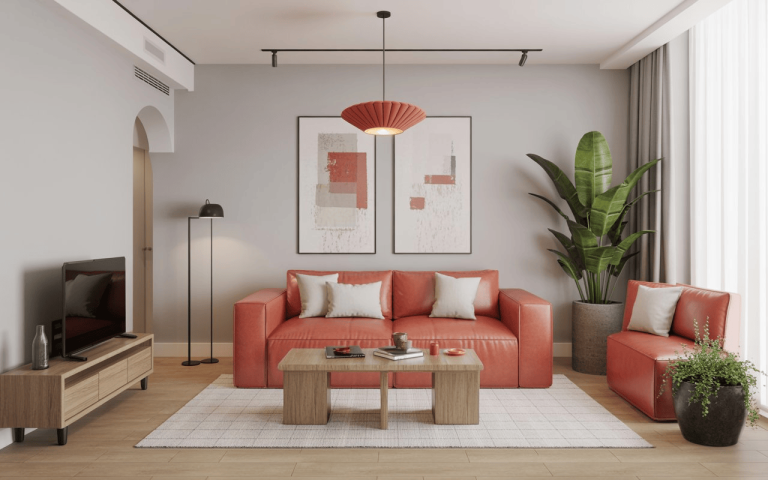
If the owner is moving in, the interior can be highly personalised.
Storage can be designed around the family's possessions. Colours can reflect personal preferences. Decorative elements can be selected according to individual taste.
A rental property has a different customer.
The future tenant may have completely different preferences.
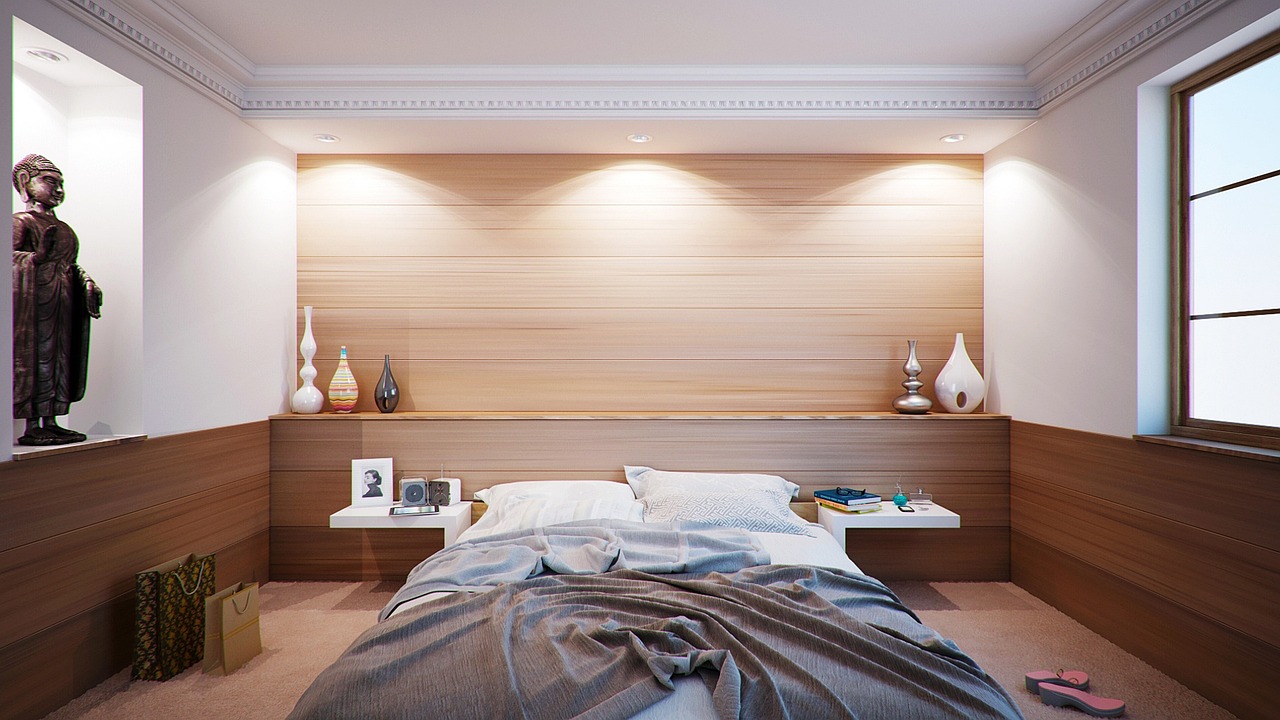
Therefore, neutral and practical specifications can make the property easier to maintain and adapt.
Kitchen: A Priority in Both Cases
A functional kitchen is important whether the property is owner-occupied or rented.
For a rental flat, however, the objective is usually straightforward functionality.
The kitchen should provide:
- Adequate base storage
- Useful counter space
- Proper sink
- Appliance provisions
- Chimney and hob points
- Durable hardware
- Easy-to-clean finishes
A tenant should not have to invest heavily before being able to use the property.
For an owner-occupied home, the kitchen can be more customised around cooking habits and appliance requirements.
Storage Changes With the Brief
Storage remains important in both cases, but the approach differs.
An owner can specify detailed storage based on personal belongings.
A rental property needs storage that works for a wider range of tenants.
Full-height wardrobes with straightforward internal divisions can provide practical capacity without making the design excessively personalised.
Select Rental Finishes for Repainting
Rental properties eventually experience tenant turnover.
Walls may require repainting and minor damage may need patching.
Therefore, finishes should be selected with future maintenance in mind.
Neutral washable emulsion and reorderable paint shades can make repainting simpler.
Keep the paint shade code in the property handover file.
This small piece of documentation can save time when the property needs touch-ups later.
Avoid Unnecessary Decorative Complexity
Feature walls, wallpaper, elaborate false ceilings and premium decorative finishes may look attractive.
But rental properties should be evaluated based on their maintenance cycle.
If a feature wall needs complete replacement after one tenancy, its value should be considered carefully.
A premium building, corporate lease or longer lock-in arrangement may justify a more detailed specification.
The important point is to match the design to the property's purpose.
AC Planning Should Happen Early
Air-conditioning infrastructure is easier to plan during the interior project than after the work is complete.
Even when the landlord does not supply AC units, the interior can provide:
- Dedicated electrical points
- Drainage
- Wall backing
- Appropriate installation space
This reduces the need for future drilling and repainting.
For corporate or fully furnished rental properties, actual AC units may also form part of the furnishing specification.
Choose Hardware for Daily Use
Rental properties experience daily use just like owner-occupied homes.
Hardware can experience considerable wear because different tenants may use it differently.
Do not automatically reduce hardware quality simply because the property is rented.
Good hinges, drawer channels and sliding systems can reduce maintenance calls.
Keep the hardware specification documented.
Standardise If You Own Multiple Flats
Standardisation becomes particularly useful when an investor owns multiple properties.
Consider using the same:
- Paint shades
- Laminate codes
- Handles
- Hinges
- Drawer channels
- Light fittings
- Taps
If a component fails, a replacement can be sourced using the existing specification.
This also simplifies maintenance across multiple properties.
Keep a Rental Handover File
Every investment property should have its own documentation.
Include:
- Room photographs
- Furniture inventory
- Appliance details
- Serial numbers
- Warranty information
- Paint codes
- Laminate codes
- Hardware specifications
- Meter readings
- Keys issued
- Maintenance contacts
This makes tenant handover more systematic.
It also provides a useful record when comparing the property's condition before and after a tenancy.
Owner-Occupied Homes Can Be More Personal
An owner-occupied property allows greater freedom.
If the family loves a particular colour, material or design style, there is no need to optimise for a future tenant.
A study can be designed around a specific work routine.
A wardrobe can be configured around an individual's clothing requirements.
A kitchen can be designed around the family's cooking habits.
The interior therefore becomes more personal.
But Durability Still Matters
Personalisation does not mean ignoring practical construction.
An owner-occupied home still needs reliable hardware, appropriate wet-area materials, good electrical planning and proper finishing.
A beautiful design is only successful if it continues to perform after everyday use.
That is why the final inspection remains important.
Handover Should Be Documented
Whether the property is owner-occupied or rented, inspect the completed interior before accepting it.
Check shutters, drawers, electrical points, plumbing, tiles, paint, hardware, glass and cleaning.
Photograph defects.
Record them in a numbered snag list.
The detailed Pune interior snagging checklist can be used as a practical reference during final inspection.
The Right Interior Is Based on the Property's Future
There is no single specification that works for every flat.
An owner-occupied home may justify personalised finishes and specialised storage.
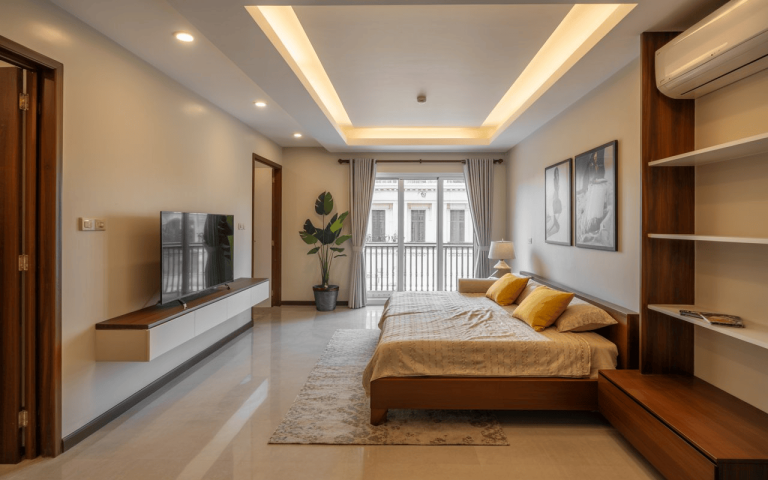
A rental property generally benefits from durability, neutral finishes, practical storage and easy replacement.
A corporate rental may justify a different level of furnishing again.
The key is to decide the property's purpose before preparing the quotation.
When the design brief, material specification and maintenance expectations all match the property's future use, the interior becomes easier to manage and more predictable over the long term.
For residential interior projects across Pune and Pimpri-Chinchwad, thoughtful planning at the beginning can prevent unnecessary changes and maintenance later.